
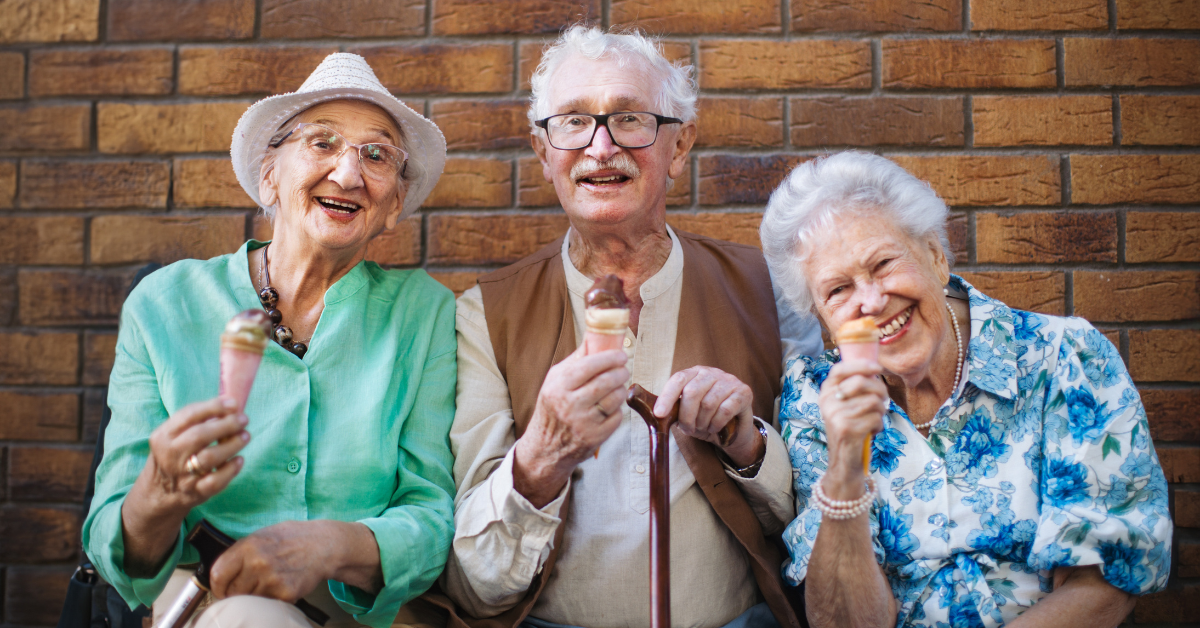
Compassionate love means nowhere near just romance in our later years—it includes emotional connections built on caring, trust and understanding that deeply affect our health and happiness. Older adults entering retirement need environments that support these connections to maintain their well-being. Active retirement communities in Chattanooga, TN, provide perfect settings where compassionate relationships thrive among people seeking meaningful connections.
Understanding and adapting to love languages becomes crucial during retirement as emotional needs shift and relationships evolve in this pivotal life stage.
Compassionate love creates the foundation for healthy aging. Red Stone Estates communities design their spaces and programs with connection in mind. They focus on quality time activities, acts of service through caregiving and comfortable spaces that encourage physical closeness. These well-planned environments let you express and receive love in ways that truly appeal to you.
What Are The Five Love Languages Of Active Retirement Communities?
The Five Love Languages of active retirement communities can be based on Dr. Gary Chapman’s 1990s framework, but tailored to the unique emotional shifts and lifestyle changes seniors experience. In this stage of life, the focus shifts from career and child-rearing to companionship, legacy and health.
1. Words of affirmation
Retirement brings new meaning to verbal expressions of love and appreciation. Simple phrases like “I am grateful for you” or “You make my life richer” help maintain self-worth as professional identities start to fade. Many older adults thrive on words of praise as emotional support.
2. Acts of service
Love speaks through actions when friends or partners prepare meals, manage finances or schedule medical appointments. This expression of love becomes particularly important during retirement, especially when health challenges arise. Many older couples find deep meaning in caregiving as a way to express their love.
3. Receiving gifts
This love language shows thoughtfulness rather than focusing on expense. Retirement gifts that matter include items reflecting shared memories or practical things that make daily life better. Retirees often find deep meaning in membership clubs, travel accessories or educational experiences. These physical reminders help them feel loved and appreciated.
4. Quality time
Life changes often lead to shifts in primary love languages. The transition from work to retirement changes how partners express and receive love. Senior years make undivided attention more precious. Retirement communities create opportunities that aid meaningful connections through social spaces and planned activities.
5. Physical touch
Physical intimacy remains important throughout life, despite common stereotypes. Small gestures like holding hands, hugging or gentle shoulder massages create feelings of affection and confort. Physical touch reduces stress hormones and releases oxytocin, which benefits mood and physical health. This connection helps relationships stay strong as people age.

How Do Active Retirement Communities Support Different Love Languages?
Active retirement communities create environments where all five love languages can naturally thrive. These communities understand that emotional connections remain vital throughout the aging process.
Our emotional bonds directly shape how we age. Studies reveal that older adults who feel loved and express love for others experience substantially fewer depressive symptoms as time passes (Kahana et al. 2021). People who keep strong social connections age one to two years slower biologically than those without such relationships.
Community events that promote quality time
Quality time serves as the lifeblood of retirement community life through well-planned activity calendars. These communities provide various options from educational workshops to recreational outings that create natural chances for meaningful interaction. Residents can share experiences and build deeper connections during these gatherings.
Dining and shared spaces for connection
Mealtime means more than just nutrition—it’s a great chance for social interaction. Communities now offer restaurant-style experiences that lead to extended conversations. Their dining venues include tables of different sizes for both intimate conversations and larger gatherings, which create natural settings for people to connect.
Caregiving as an act of service
Professional caregiving shows the love language of service, especially when physical abilities change. The best retirement communities make staff training in compassionate communication their priority. Programs of compassionate connections help caregivers understand dementia, communicate better and direct challenging behaviors. This training helps staff speak the love language of affirmation naturally.
Rediscover Connection Through The Languages Of Love
Retirement marks a major emotional turning point in our lives. This new experience makes understanding and speaking each other’s love languages more vital than during our working years.
The active retirement communities excel at building environments where all five love languages can grow naturally.
Retirement is a chance to rediscover connection through the languages of love. Compassionate love remains our strongest tool to thrive in our senior years. Call Red Stone Estates at (423) 541-9300 and schedule a tour to experience how independent living creates the ideal setting for meaningful connections to express love in different ways.
FAQs
Q1. How do active retirement communities support different love languages?
Active retirement communities are designed to meet people where they are emotionally. Group activities and social events support quality time, while shared dining and cozy gathering spaces make connection easy. Acts of service often show up through attentive staff and supportive care and team members are usually trained to communicate with kindness and encouragement—covering words of affirmation. Thoughtfully designed spaces also allow for comfortable, respectful physical closeness, helping residents feel cared for in ways that matter to them.
Q2. Do love languages change after retirement?
Yes, they often do. Retirement brings big life shifts and emotional needs can evolve along with them. For example, words of affirmation may become more meaningful as work identities fade, while acts of service can feel especially important during health changes or mobility challenges. That’s why open conversations between partners about what feels supportive now—not years ago—are so important.
Q3. How can caregivers use love languages to help reduce stress?
Understanding love languages can make caregiving feel more balanced and less overwhelming. For someone who values words of affirmation, a simple “thank you” or acknowledgment can go a long way. Those who value quality time may benefit from regular one-on-one check-ins, even if they’re brief. Acts of service can also help by sharing responsibilities or offering practical support. When caregivers and loved ones recognize and respond to each other’s emotional needs, it creates less stress and more mutual understanding.